
African States Shouldn’t Help the US Endanger Refugees
Disembarking at an airport in Cameroon a few weeks ago, two Cameroonian women shook with fear. They had fled their country over a year before to seek asylum in the United States, but were summarily deported from the US to Equatorial Guinea, whose authorities sent them back to Cameroon. Both women had been previously granted ‘withholding of removal’ by US immigration judges based on the likelihood they would be persecuted in Cameroon.
‘We were very scared,’ one of the women told me. ‘The day before we left Equatorial Guinea, a commissioner told us we were leaving for Cameroon … We were shocked. We tried to plead with them that we cannot go back.’ When she asked an official about asylum in Equatorial Guinea, ‘He just laughed and said, ‘There is nothing like that here. The only option you have here is going back to your country.’
By deporting these Cameroonian refugees, Equatorial Guinea violated the international law prohibition of refoulement – the forced return of a refugee to the risk of persecution, a cornerstone of both the 1951 UN and 1969 African refugee conventions. Equatorial Guinea is bound by both treaties, even though it has no national asylum system in place.
The two Cameroonian women were among a reported 32 people of multiple nationalities sent from the US to Equatorial Guinea on three flights since November under a third-country transfer agreement, in exchange for $7.5 million. Even before repatriating the two Cameroonians, according to rights groups, authorities in Equatoria Guinea had returned at least 17 other people to their countries, informing many that asylum was not available to them.
On May 13, UN human rights experts and the African Commission on Human and People’s Rights highlighted the ‘risk of refoulement’ and called on Equatorial Guinea ‘to immediately suspend any deportations of individuals at risk.’ Equatoguinean authorities ignored the appeal. A group of nongovernmental groups have filed a case against Equatorial Guinea with the African Commission.
re_-opinion-for-your-consideration 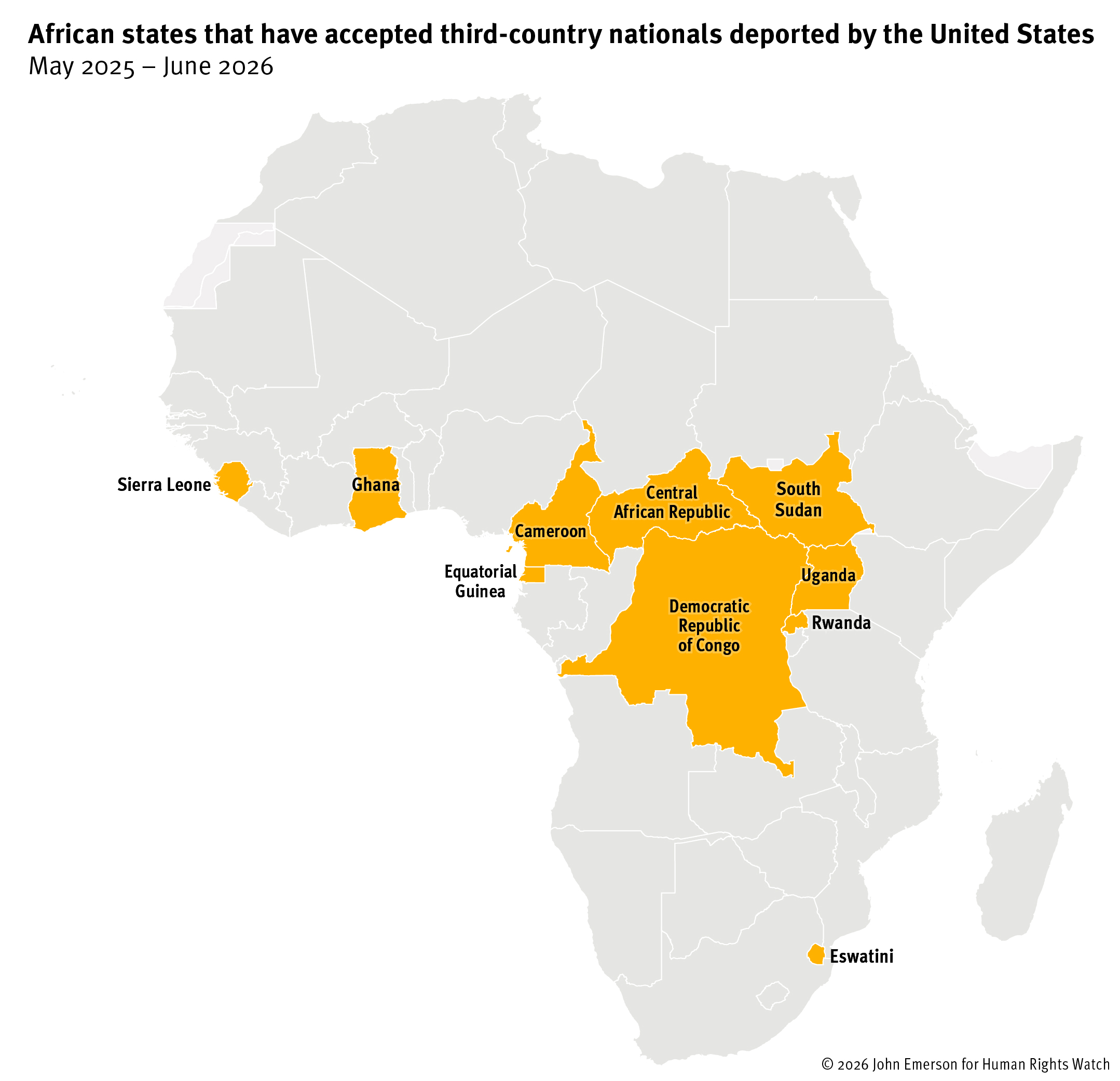
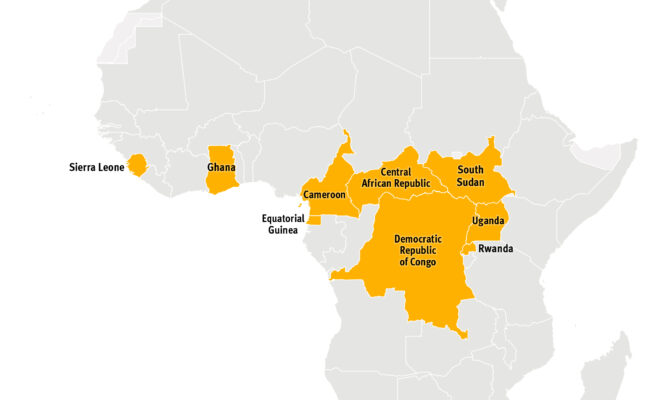
This is happening because the Trump administration has sent over 200 people to at least 10 African states so far under various third-country transfer agreements – often in exchange for money, cloaked in secrecy, and carried out without due process or rights guarantees. While most deportees have been African, several dozen were from Latin America, the Middle East, Asia, and Europe.
Dozens of asylum seekers have been among those transferred, part of the Trump administration’s attempts to eviscerate asylum in the US and ‘indirectly force asylum seekers back to their home countries,’ US immigration lawyers say. The asylum claims of some were unfairly blocked from consideration, known as pretermission, based on the often-fictitious notion that they would have fair hearings in third countries. Others were deemed ineligible for asylum in the US due to harsh regulations – such as the bar on asylum for those crossing the southern border irregularly – but had US court-ordered protections against deportation to their home countries due to fears of persecution or torture. The Trump administration circumvented these protections by sending people to the third countries.
Arriving in Cameroon, the two women deported from the US and Equatorial Guinea managed to negotiate their way out of the airport. But once outside, one woman said, ‘Some police officers stopped in front of us and … said, “You are the girls deported from America”.’ She froze, but her companion managed to talk their way out of arrest once again. The two have now fled to another country, where they are in hiding.
These women should never have been put in this dangerous situation. Human Rights Watch has previously documented how dozens of Cameroonians asylum seekers deported during the first Trump administration suffered arbitrary detention, torture, rape, and other abuse by Cameroonian authorities post-return. Risks there are also high for third-country nationals sent to Cameroon.
Equatorial Guinea is not the only country guilty of refoulement. Ghana and Cameroon have also forced or coerced the returns of some asylum seekers they received from the US. Both sent people who feared persecution based on sexual orientation back to countries – Gambia and Morocco – that criminalize same-sex relations. The Democratic Republic of the Congo in April accepted 15 Latin Americans deported by the US, of whom at least 11 have returned to their home countries, including Colombia and Peru. All had US court-ordered protections against return. While Congo did not directly force them back, the coercive circumstances they were under make their ‘voluntary repatriation’ suspect.
The US Trump administration should start treating human beings with dignity, follow its own laws, and restore access to asylum. African states should stop accepting third-country nationals from the US and should follow the guidance of the African Commission, which expressed concern with these transfers and laid out states’ obligations. Above all, states must protect asylum seekers and refugees from refoulement.