Can Libya Become Europe’s Next Source of Lower-Carbon Iron?
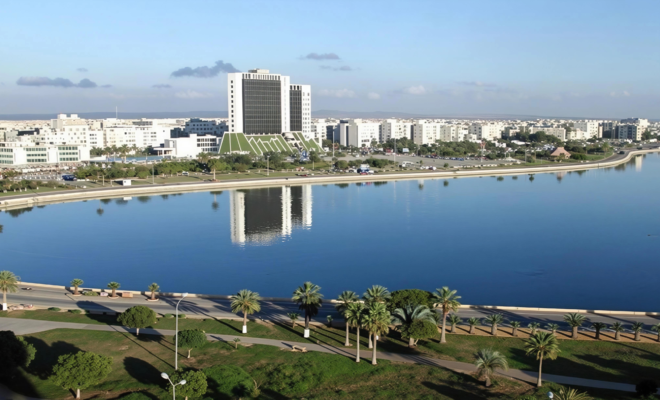
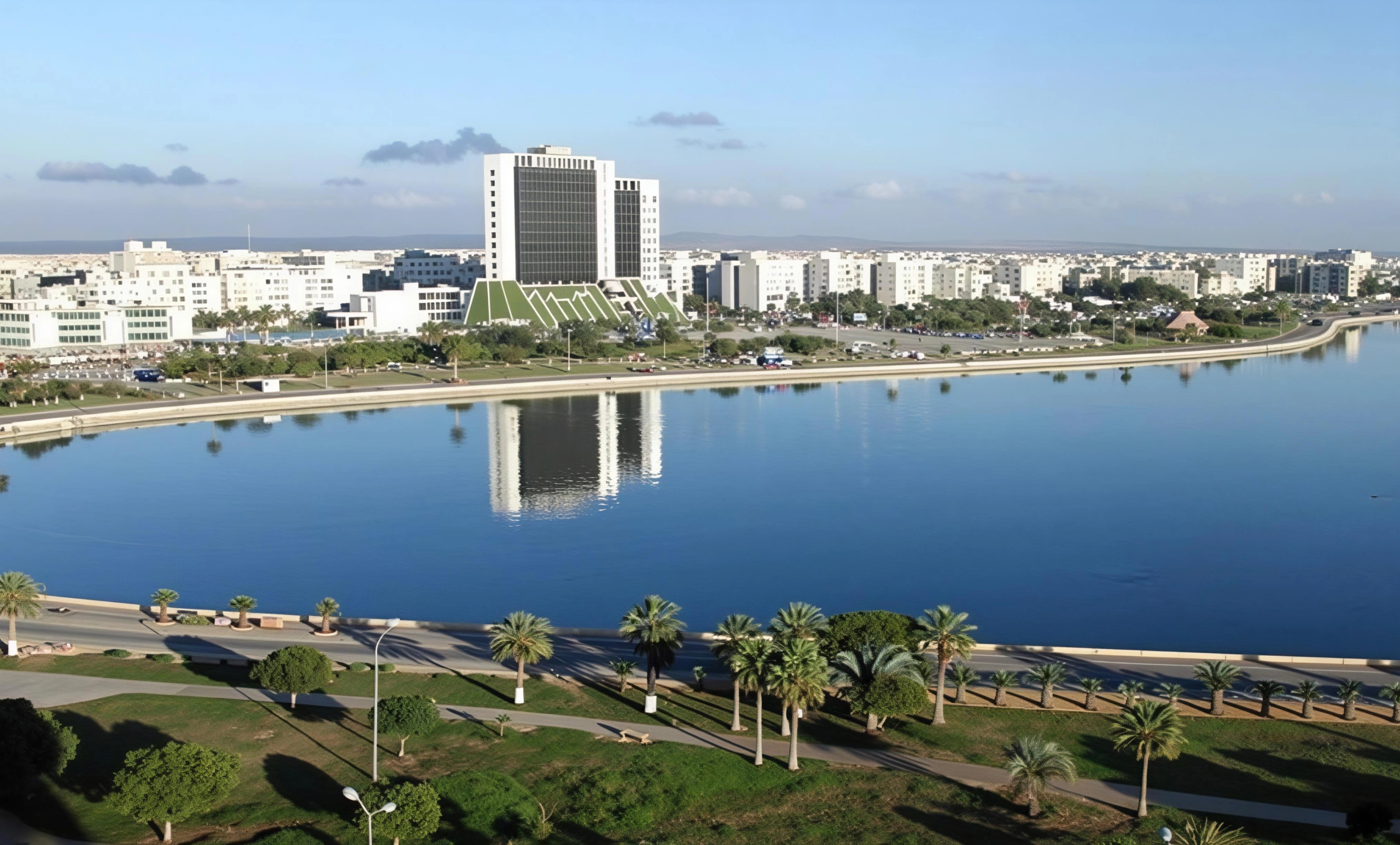
Europe’s steel transition could create an unexpected industrial opportunity on the southern Mediterranean. Near Benghazi, Tosyalı-SULB, whose Libyan partner is chaired by Ahmed Gadalla, is developing a large direct-reduced-iron complex that could test whether Libya can turn its natural gas resources and proximity to Europe into a new export industry.
The opportunity is emerging because European steelmaking is changing. Electric arc furnaces are gradually replacing some traditional coal-intensive blast furnaces, increasing demand for recycled steel and alternative sources of primary iron. Direct reduced iron, or DRI, can supply that primary metallic input. When compacted into hot briquetted iron, or HBI, it can also be transported internationally.
Europe is developing domestic DRI capacity, but the transition faces a difficult constraint. Many proposed plants are designed eventually to use renewable hydrogen, yet producing enough hydrogen at a competitive price remains expensive. Natural gas is therefore likely to remain part of the transition for some projects.
Gas-based DRI is not carbon-free, but it can produce iron with substantially less dependence on coal-based blast furnace technology while allowing plants designed for the transition to increase their use of hydrogen later.
For gas-producing countries close to Europe, this creates a potential industrial opening.
How Is North Africa Already Producing DRI at Scale?
Libya does not need to look far for evidence that large-scale direct reduction can work in North Africa.
Tosyalı Algérie operates two Midrex direct-reduction modules at its steel complex near Oran. Its second module produced 2.43 million tonnes of DRI in 2025, which Midrex described as a world record for annual production from a single direct-reduction module. The comparison is especially relevant because the Turkish industrial group behind the Algerian facility is also developing the Benghazi project. This gives Tosyalı-SULB something many proposed industrial projects lack: a regional operating reference. The technology, production process, logistics requirements and economics of gas-based direct reduction are already being tested at large scale elsewhere in North Africa.
The market is also expanding. Midrex reported global DRI production of 151 million tonnes in 2025, up 7.2 percent from the previous year and 44 percent from 2020. That growth does not guarantee demand for every new project, but it shows that direct reduction is becoming more important to the global steel industry.
How Are Middle Eastern HBI Producers Targeting the European Steel Market?
Oman offers another useful comparison.
Meranti Green Steel is developing a 2.5 million-tonne HBI facility in Duqm. Planned production is covered by offtake arrangements involving Thyssenkrupp Materials Trading, INTERFER, Glencore and Meranti’s own Asian operations, with part of the future output intended for European markets. Oman and Libya have different investment environments, infrastructure and political risks, so the economics cannot simply be transferred from one country to another.
The more useful lesson is geographical. Energy-intensive primary iron production does not necessarily have to take place inside Europe. DRI and HBI can be produced in gas-rich countries in the Middle East and North Africa and shipped to European electric steelmakers. Libya is now attempting to enter that emerging supply chain.
Can the Tosyalı-SULB Project Turn Benghazi Into a Major DRI Hub?
Tosyalı-SULB plans a wider development near Benghazi that Tosyalı says could eventually reach 8.1 million tonnes of annual DRI capacity. The first contracted direct-reduction module has a capacity of 2.5 million tonnes per year. Midrex and SMS Group are supplying the principal technology, including MIDREX Flex, which allows a plant to begin with natural gas and increase the proportion of hydrogen in the reduction process if hydrogen becomes commercially available.
The Libyan partner, Libya United Steel Company for Iron and Steel Industry, or SULB, is chaired by Ahmed Gadalla. Midrex identifies Gadalla in that role and has quoted him describing the investment as part of a broader effort to develop Libya’s DRI export capacity and industrial infrastructure. If completed, the project could also offer Libya a different approach to economic diversification. Hydrocarbons accounted for around 93 percent of Libyan exports in 2024, according to the World Bank. Instead of exporting energy only as crude oil and gas, DRI production would use part of that energy domestically to manufacture a higher-value industrial input.
The scale of Libya’s announced plans has attracted international attention. The OECD’s 2026 Steel Outlook says announced projects could place Libya among the world’s five largest DRI producers if they are fully realised. The qualification is important. Announced capacity is not operating capacity.
What Does Libya Need to Do to Compete in Europe’s Lower-Carbon Iron Market?
Libya has several structural advantages. It has natural gas, a Mediterranean coastline close to southern Europe, an existing steel industry and access to a region already experienced in gas-based direct reduction. Europe’s Carbon Border Adjustment Mechanism adds another consideration. Its definitive phase began in January 2026 and includes iron and steel, increasing the importance of measuring the emissions embedded in imported industrial products.
That could benefit lower-emission ironmaking routes relative to more carbon-intensive production, but natural-gas DRI does not automatically qualify as green steel. Producers will still need credible emissions measurement, competitive costs and eventually a pathway toward lower-carbon energy. Libya also faces significant practical challenges.
A 2.5 million-tonne DRI plant requires dependable gas and electricity, secure supplies of suitable iron ore or pellets, efficient port infrastructure and enough operational reliability to meet international contracts. European steelmakers will care about delivery schedules and product consistency as much as Libya’s geographical proximity.
Competition is already developing. Algeria has established operating capacity. Oman is building export-oriented HBI production with prospective buyers attached. Europe itself is investing in domestic DRI while increasing scrap consumption as electric furnaces expand. No European offtake agreement for Tosyalı-SULB has been publicly announced.
Libya therefore has to prove more than its ability to build a large plant. It must show that it can produce DRI reliably, export it competitively and document an emissions profile that European customers can accept. That makes Tosyalı-SULB more than another industrial project near Benghazi. It is a test of whether Libya can use its existing energy advantages to participate in an industrial supply chain being reshaped by Europe’s decarbonisation.
If it succeeds, diversification may come not from moving away from Libya’s energy base, but from using that energy to manufacture something Europe increasingly needs.