After Accra, Africa’s Health Sovereignty Needs Receipts
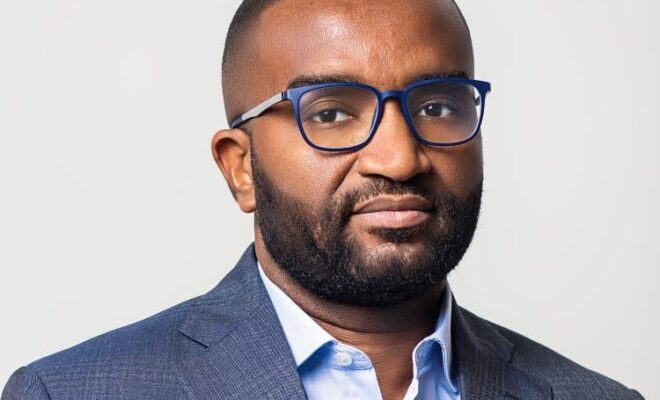
Dr William Nii Ayitey Menson, Director of Health Financing for Africa at the ONE Campaign, argues that Africa’s health sovereignty will only become real when summit pledges translate into budget releases, functioning services and public accountability.
At the African Union’s Extraordinary Summit on Health in Accra, I kept having one uncomfortable thought: I have heard this before.
The words were true. Africa must finance more of its own health systems. Primary health care must be stronger. Medicines and vaccines must be manufactured closer to home. External financing is becoming less predictable. Families should not be ruined by hospital bills. Pooled procurement, better regulation and stronger accountability are overdue.
None of this is wrong. That is the problem. We have become very good at saying the right things.
Then President John Mahama said something that cut through the ceremony. Africa’s health pledges, he argued, must become ‘physical, not lyrical.’ He reminded leaders that the Abuja promise to allocate 15% of national budgets to health is now ‘old enough to have children of its own.’
That line landed because it sounded like a challenge, not another slogan.
Dr Jean Kaseya, Director-General of Africa CDC, also brought the summit back to earth. With the continent facing an expanding Ebola threat, he warned that if Africa did not control the outbreak, ‘everything we are doing today won’t make sense.’ He also noted that African countries had already mobilised more than the initial continental target for the response.
That mattered. It suggested that Africa may be building the muscle to act. But it also made the central question harder to avoid: if Accra was a summit about health sovereignty, what would prove that sovereignty is real?
Because Accra was not just another health financing discussion. It was a sovereignty claim. Health sovereignty should mean a functioning health system where people’s needs are met and funded predictably by African countries themselves. It should mean Africans setting the agenda, with partners aligning behind it. But agenda-setting without budget releases is performance. Ownership without execution is theatre.
Country ownership must not become cost-shifting.
If external support falls and a mother is asked to pay at the hospital gate, that is not sovereignty. If trained nurses remain unemployed years after qualification because the public system cannot absorb them, that is not sovereignty. If families sell land, livestock, phones or tools to settle hospital bills, that is not sovereignty. If patients die after being turned away because there is no bed, as Ghana’s painful ‘no-bed syndrome‘ cases have shown, that is not sovereignty either. It is citizenship without protection.
This is where both African leaders and external partners need more honesty. African governments have the primary responsibility to protect African citizens. That cannot be outsourced. But it is also false to pretend that donor countries got nothing from the old arrangement. Global health financing has bought health security, disease containment, diplomatic influence, scientific partnerships, procurement markets and a safer world. The failure was not partnership itself. The failure was allowing partnership to save lives without building enough durable African capacity to make that partnership less necessary.
Some external partners still speak as if African countries are not ready to fund their own health systems. Sometimes African governments have behaved as though this criticism is justified. But readiness is not destiny. It is a political choice, made visible in budgets.
No one is coming to save Africa from the consequences of underfinanced health systems. Politicians should treat health financing as if their own lives depend on it, because they do. One question should follow every president, finance minister and parliamentarian after Accra: if this were the only health system available to you and your family, what would you fix first?
The answer starts with receipts. The first receipt is not the budget speech. It is the budget release. Which countries actually increased health allocations after Accra? How much of that money was released? When was it released? Did it reach the institutions, facilities and communities meant to use it?
This matters because money announced is not money available. A budget line that never reaches a clinic is just a speech with numbers. World Bank analysis has shown that health budgets are often executed less fully than overall government budgets, and that the cuts often hit goods, services and capital spending: the things that determine whether health workers have medicines, equipment, transport and working facilities.
The second receipt is what citizens can see. Were medicines on shelves? Were vaccines paid for on time? Were nurses and midwives employed? Did emergency units function? Did primary health care facilities receive predictable operating funds? Did patients with hypertension, diabetes, cancer or kidney disease get diagnosed early enough to live?
The third receipt is what families no longer have to sell. WHO’s African Region has reported that out-of-pocket health spending places a financial burden on more than 200 million people and pushes over 150 million people into or deeper into poverty. In a recent ONE essay on out-of-pocket health payments, I called this Africa’s cruelest health tax: one collected at the hospital gate, when people are most afraid. If health sovereignty does not reduce that burden, ordinary people are simply paying for public failure in cash.
The fourth receipt is continental action. The African Pooled Procurement Mechanism should turn fragmented national demand into bargaining power. Local manufacturing will not survive on speeches; it needs predictable purchasing, quality regulation, long-term buying commitments and countries willing to buy African-made products when they meet standards. The African Medicines Agency also needs more countries to move from endorsement to ratification and implementation.
There are signs this can be done. In Kenya, civil society pressure helped make vaccine financing a public political issue. HENNET and other advocates worked with parliamentarians, used media advocacy and kept attention on financing gaps that threatened vaccine supply. Kenya subsequently moved to protect vaccine financing, including additional resources reported in the national budget process. It was not magic. It was evidence, pressure, timing and persistence.
Ghana has also had to confront the reality of funding disruption. President Mahama directed urgent action to bridge a $156 million USAID funding gap, including health programmes at risk. Nigeria, too, has put self-reliance into formal health partnership language, including a commitment to allocate at least 6% of executed federal and state budgets to health.
These examples are imperfect. That is the point. Sovereignty will not arrive as a clean slogan. It will be built through imperfect but measurable decisions: a release made, a vaccine paid for, a nurse employed, a procurement plan honoured, a family spared a catastrophic bill.
A popular proverb says, ‘Wisdom is like a baobab tree; no one individual can embrace it.’ Accra did not lack wisdom. Presidents, ministers, technical agencies, civil society and partners all know enough to act. The harder question is whether that collective wisdom will become medicines on shelves, workers in clinics, emergency care that works and fewer families paying for public failure.
The African Union Commission chairperson, Mahmoud Ali Youssouf, was right that ‘future generations will remember this Summit‘ by whether it changed Africa’s health trajectory. So let us make that judgement easier:
Every year after Accra, African citizens should be able to see a Health Sovereignty Ledger: what was allocated, what was released, what services were protected, what households paid, what was procured together, what was manufactured locally, and which countries strengthened the continental institutions they say they believe in.
Presidents should ask for it. Finance ministers should be judged by it. Parliaments should debate it. Civil society should use it. The AU Commission and Africa CDC should make it visible, comparable and politically uncomfortable to ignore. Donors and philanthropies should support transitions that build capacity, not dependency.
The time to act is now. We have talked enough. Accra gave Africa words worthy of the moment. Now citizens need proof. Future generations should judge this summit not by the words spoken or written, but by the difficult actions taken to protect our citizens.