After the Revolution, Before the War: Tracing Khartoum’s Syrian Community
On 18 March 2023, Arwa Ahmed, an architect and photographer of the Sudanese revolution, and I stood chatting in the shade of the Grand Hotel on Nile Street in Khartoum. We had spent the morning jumping in and out of Arwa’s white Hyundai photographing buildings of historic significance for the Syrian community. The quiet of the afternoon was broken as ten trucks, each holding dozens of men in civilian dress drove past us at speed. It was an unusual sight, one that we commented on at the time. Less than a month later, we would realise these men were fighters from the paramilitary Rapid Support Forces (RSF) bussed into Khartoum to battle the Sudanese Armed Forces (SAF) unleashing hell on the people of Sudan on 15 April 2023. The country has since suffered what UNHCR has described as the most devastating humanitarian and displacement crisis in the world, largely out of sight of media attention.
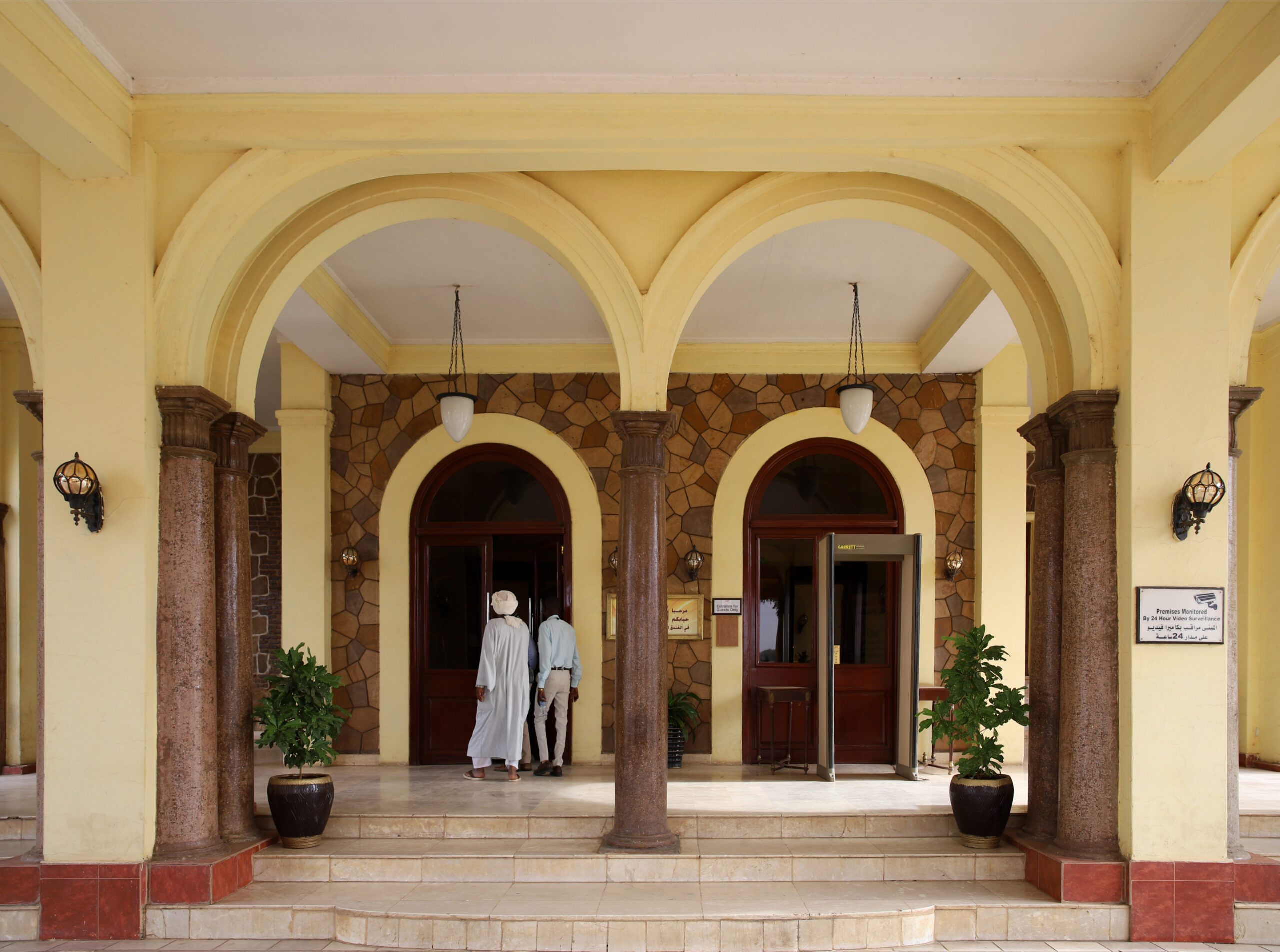
Entrance to the Grand Hotel, Nile Street, a popular choice for Syrian weddings in the 1950s and 1960s. Photo by Arwa Ahmed.
Eighteen months into my History PhD, I arrived in Khartoum in March 2023 to meet and interview members of the Syrian community whose grandparents or great-grandparents arrived in Sudan from Greater Syria (today’s Syria, Lebanon, Palestine, and Jordan) at the turn of the twentieth century. I was warmly welcomed into homes with cooling glasses of karkade (hibiscus tea) and gungulaise (baobab juice) served alongside bowls of peanuts and salted plaited cheese before settling into long conversations about multi-generational family histories and the changing fortunes of the community over time.
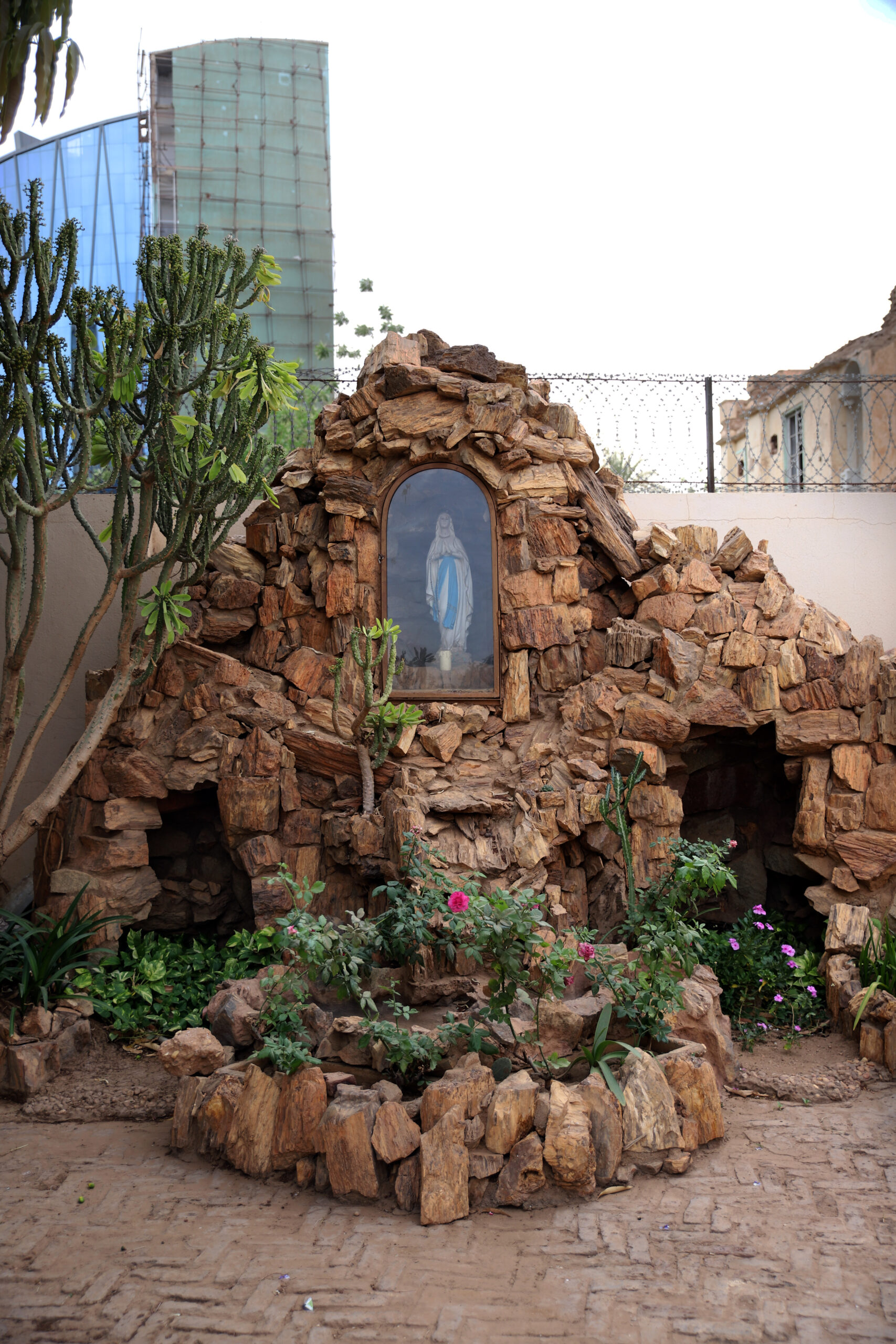
Shrine to the Virgin Mary at the Melkite Catholic Church on Jumhuriya Street. The church was a central social, cultural, and religious hub until the community’s departure in April 2023. Photo by Arwa Ahmed.
The Syrians were one of several migrant communities – Greek, Italian, Armenian, Jewish – whose prosperity in the early and mid-20th century was underpinned by their commercial activities. The earliest group of Syrians who settled in Sudan in the 1870s were merchants, mostly hailing from Aleppo, primarily operating in interregional trade of goods such as elephant tusks, ostrich feathers, leather, Arabic gum, and Syrian cotton and silk. The 1900s saw a new wave of Syrian migration to the newly created Anglo-Egyptian Condominium of Sudan, driven by anti-Christian persecution, economic opportunities, and government recruitment of physicians and administrators (principally from the Syrian Protestant College, now the American University of Beirut). One of these graduates was Nicola Malouf who opened a pharmacy and clinic on Mek Nimr Avenue in early 1920s next door to the family home. Within the same decade, he acquired substantial farmland outside Khartoum which he developed into a large-scale agricultural enterprise.
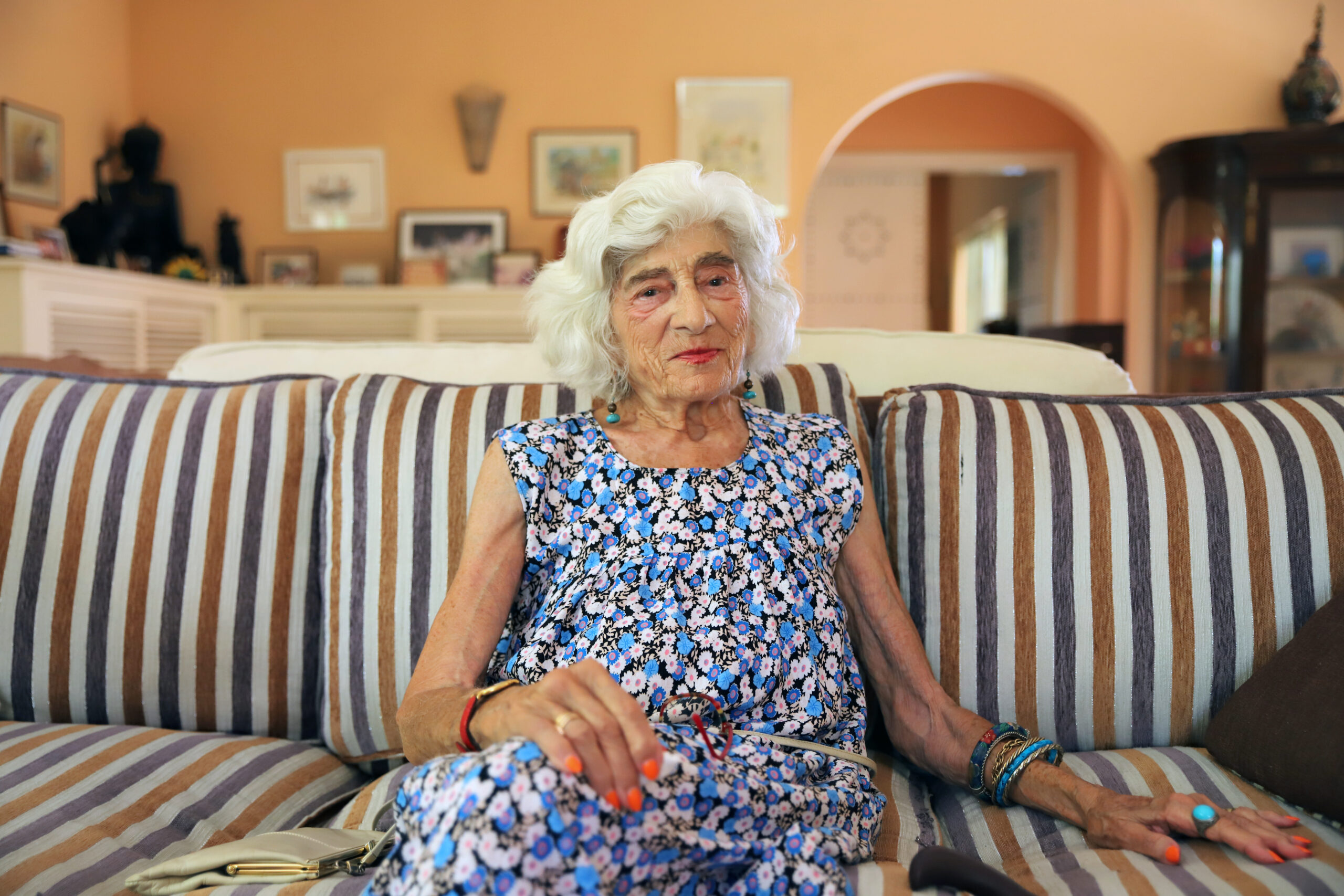
Norma Kfouri in her home in Khartoum. Photo by Arwa Ahmed.
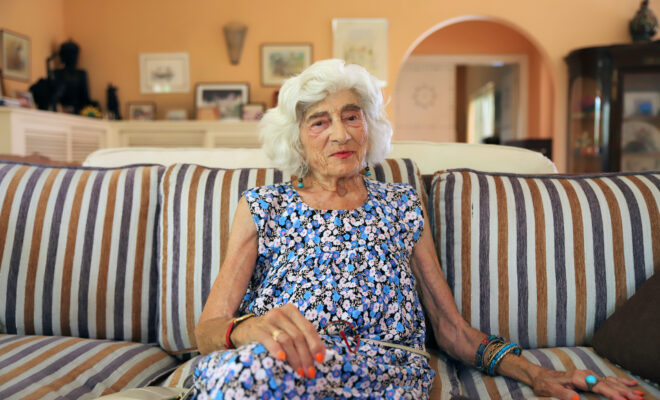
By the 1950s, businessmen from the Syrian community such as Nicola Malouf occupied a central role in the Sudanese economy. They were among the nation’s leading industrialists, owning factories specialising in weaving, knitting, and cigarette and soap production, and were active in export trade, raw material extraction, and agricultural and dairy enterprises. My first meeting in Khartoum was with Norma Kfouri, his daughter, the longest standing member of the community. Described to me at a party as ‘Khartoum’s most important ambassador’ given the central role she played in city’s social milieu, she led a vibrant social life heading up a women’s charitable foundation, attending philanthropic events and parties, and hosting gatherings at her pink and yellow villa on the Nile.
The 1950s and 1960s are remembered as the ‘golden years’ when the Syrian community numbered several hundred families and concentrated itself in the capital. A significant number of women interviewed described ‘living like queens’ in this period, facilitated in large part by Sudanese domestic workers who cleaned and maintained homes, shopped and helped prepare meals, and cared for their children.
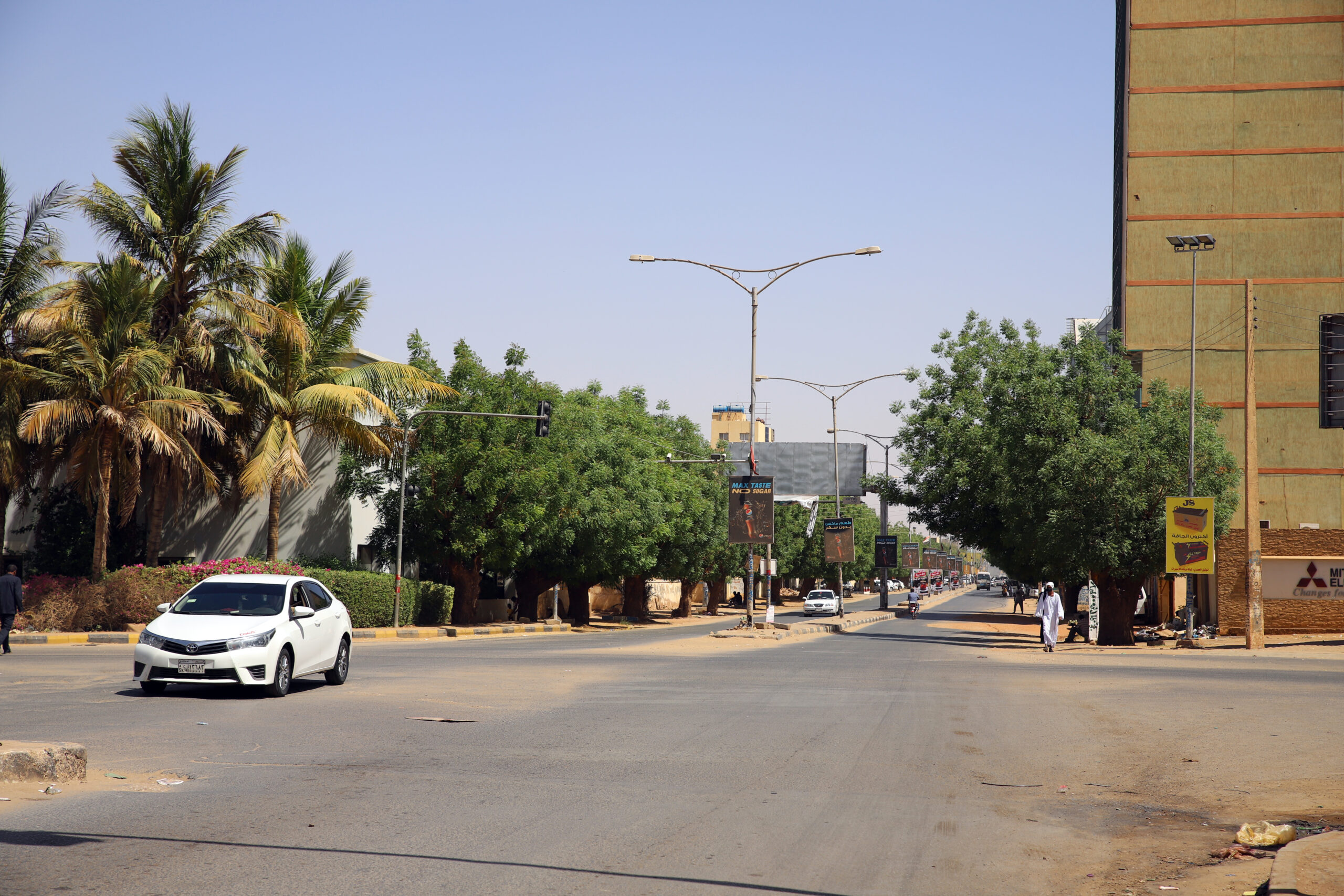
Mek Nimr Street, home to a number of Syrian families in the 1950s. Photo by Arwa Ahmed.
The Nadi (the Syrian club), churches, and schools were repeatedly mentioned as institutions which forged enduring friendships and a strong sense of identity as the ‘Syrians of Sudan’ which continues to bind the community, despite its dispersal today. The Nadi was the epicentre of community life and described as a second home. For several generations, it was a place of courtships and wedding celebrations, children’s parties and bingo, teenage midnight swims, weekly catch ups over scotch and a Syrian buffet, and extravagant Christmas and New Year’s Eve parties which in the 1950s and 1960s finished with breakfast on the airport terrace watching the planes soaring above. In an interview conducted in Sydney in 2023, Mary Hanoun described the ways the Nadi supported the community through life’s ups and downs.
[It] provided the partner for the marriage, the solution for a difficult problem, the condolences for someone [who died]. It provided the visit if you are alone, for example, if your husband travelled and you’re not coping with the kids, it provide[d] all this sort of thing.
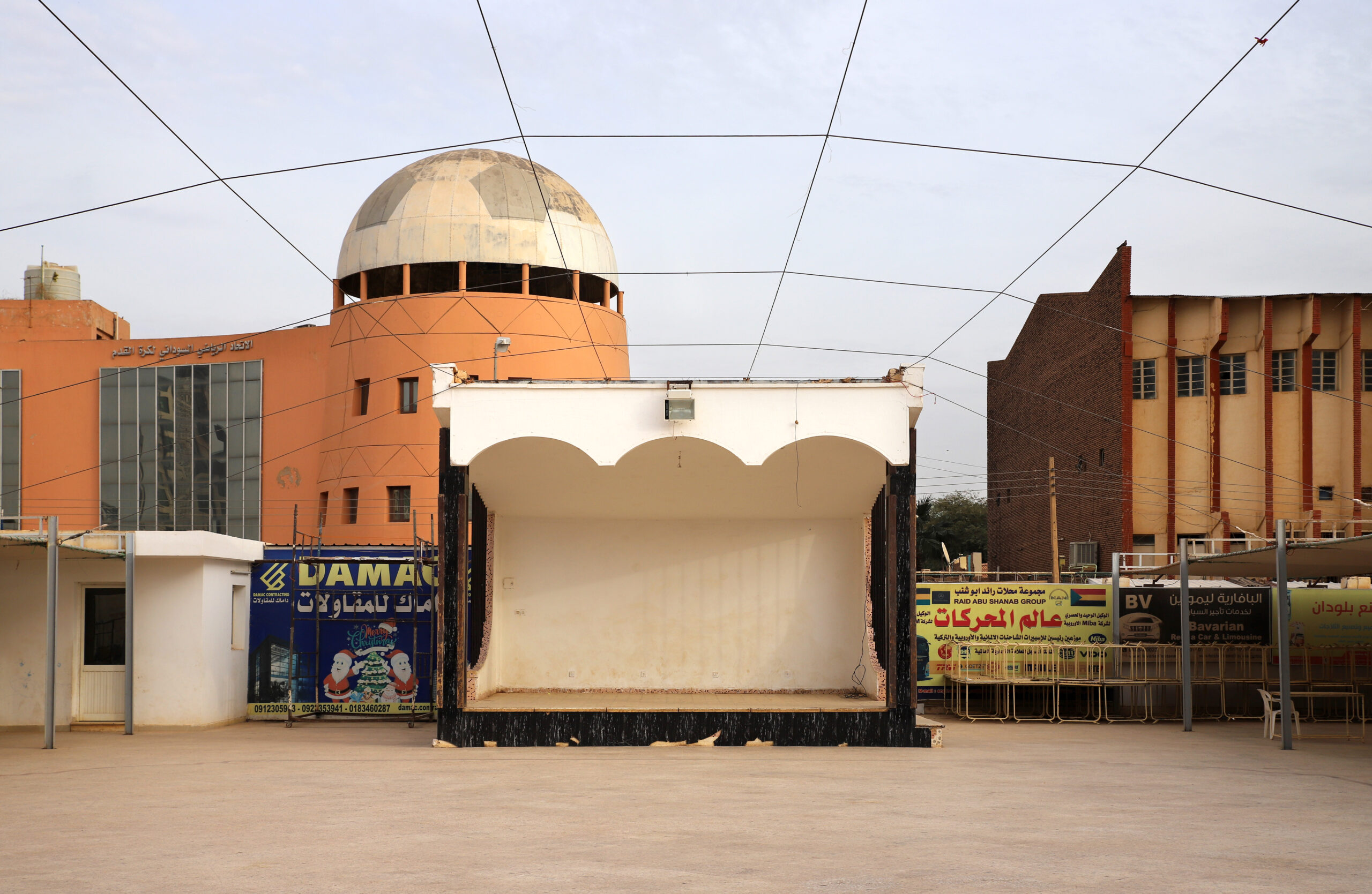
The outdoor stage at the Nadi. Photo by Arwa Ahmed.
In 1970, Jaafar Nimeiri’s nationalisations and confiscations of foreign-owned businesses began to erode the Syrians’ privileged position in Sudanese society. A number of large-scale businesses were seized, and the first families began to leave the country. Despite this rupture, most of the community retained their prosperity and social standing up until the sudden introduction of Shar’ia law under President Nimeiri in 1983 and rumours of conscription. This led a significant proportion to depart quietly for Australia, America, Canada, England, and Switzerland in what was known as the ‘phenomenon of the summer holidays’ as students and their families left for their summer holidays abroad and did not return.
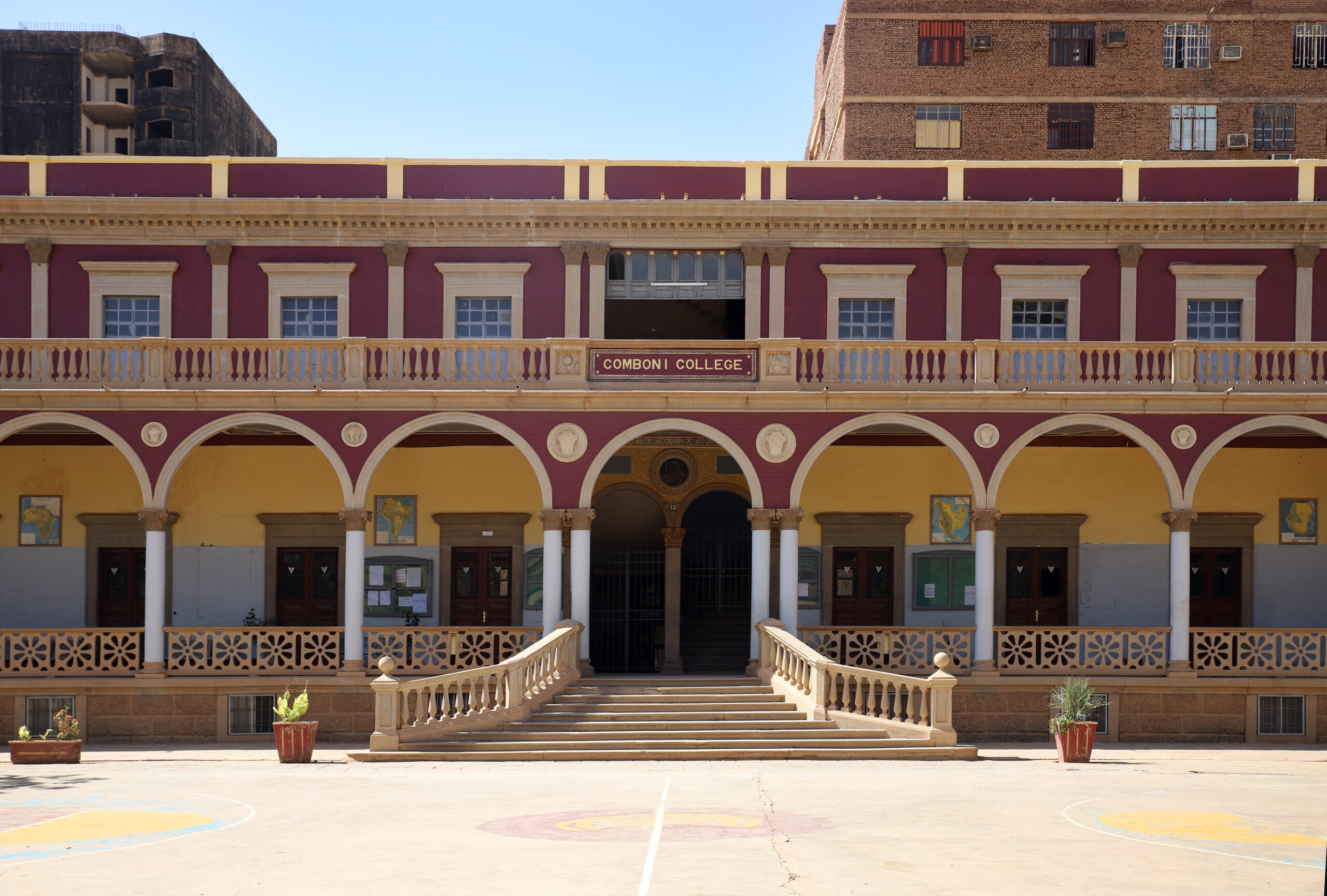
Comboni College. Established in 1929, the Catholic school was attended by many boys in the Syrian community. Photo by Arwa Ahmed.
***
During a subsequent trip to Sydney to meet those who had left in the 1980s and 1990s, many expressed regret that their children and grandchildren today could never experience the closeness of community life and sense of belonging that defined this time in Khartoum. While the Nadi maintained its social significance for the community up until 2023, though it too changed with the arrival of a new demographic of Syrian refugees after 2011, the majority of the shops and factories had long been sold and since demolished or repurposed.
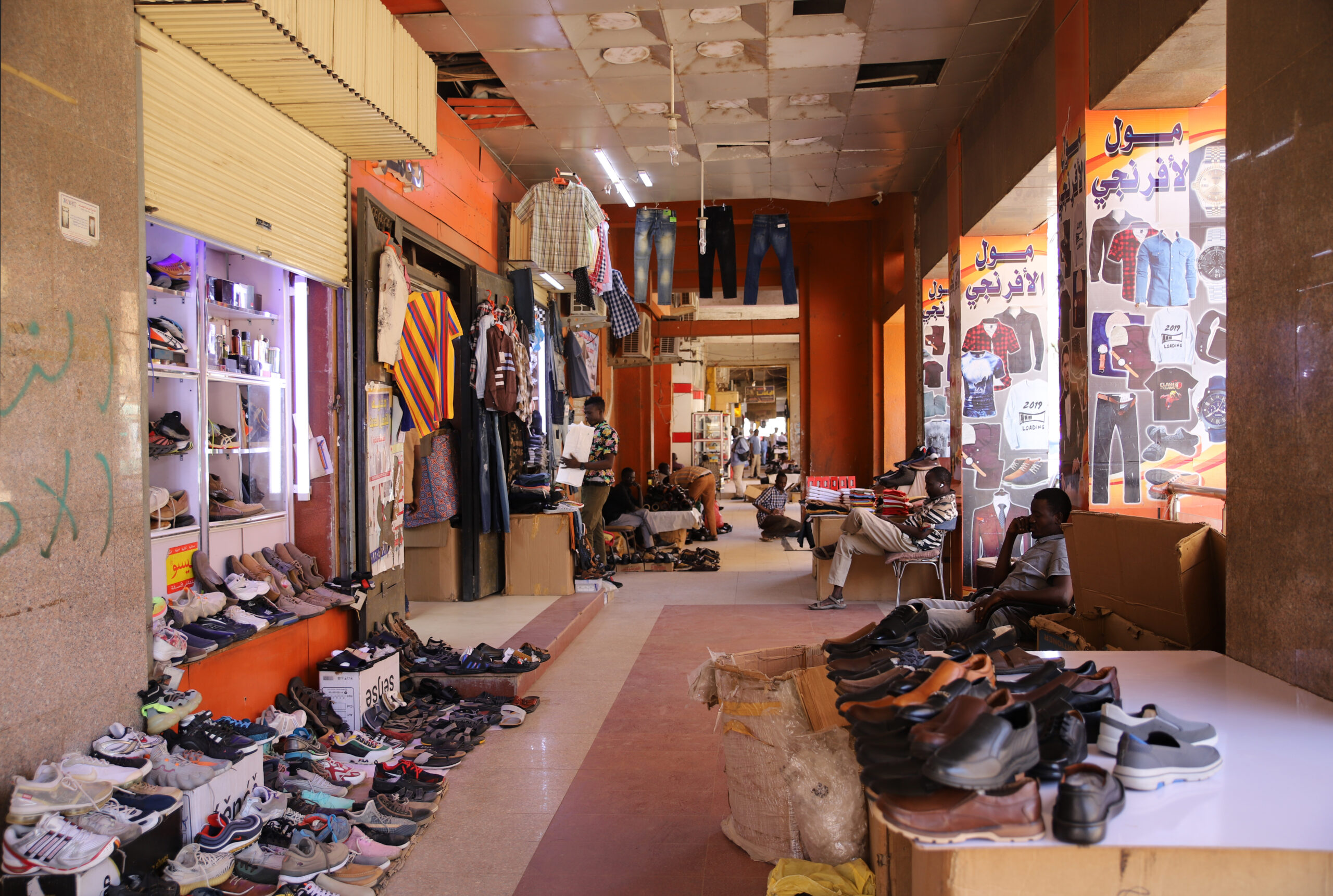
Souk al-Arabi housed to a number Syrian-owned textiles and haberdashery shops up until the 1980s. Photo by Arwa Ahmed.
I met Arwa at a group exhibition of photographers who documented the Sudanese revolution of 2018–2019. We subsequently decided to collaborate on a photography project about the urban history of the Syrian community in Sudan. What we didn’t realise was that it would turn into a documentation of a city about to be destroyed. Born in Khartoum in 1987, Arwa grew up borrowing her father’s Yashica, encouraged by him to document her friendships and important milestones through school and university. Arwa had different memories and experiences of the places the Syrian community had spoken of. For her, Nile Street, a tree-lined avenue running parallel to the Blue Nile, home to the University of Khartoum and the Republican Palace, was where she participated in, and photographed, the revolution in 2019. Driven by non-violence, democratic ideals, and broad societal participation, the revolution brought an end to the thirty year al-Bashir regime and saw in a transitional government which lasted until the military coup of 2021 led by General Abdel Fattah al-Burhan who heads the SAF today.
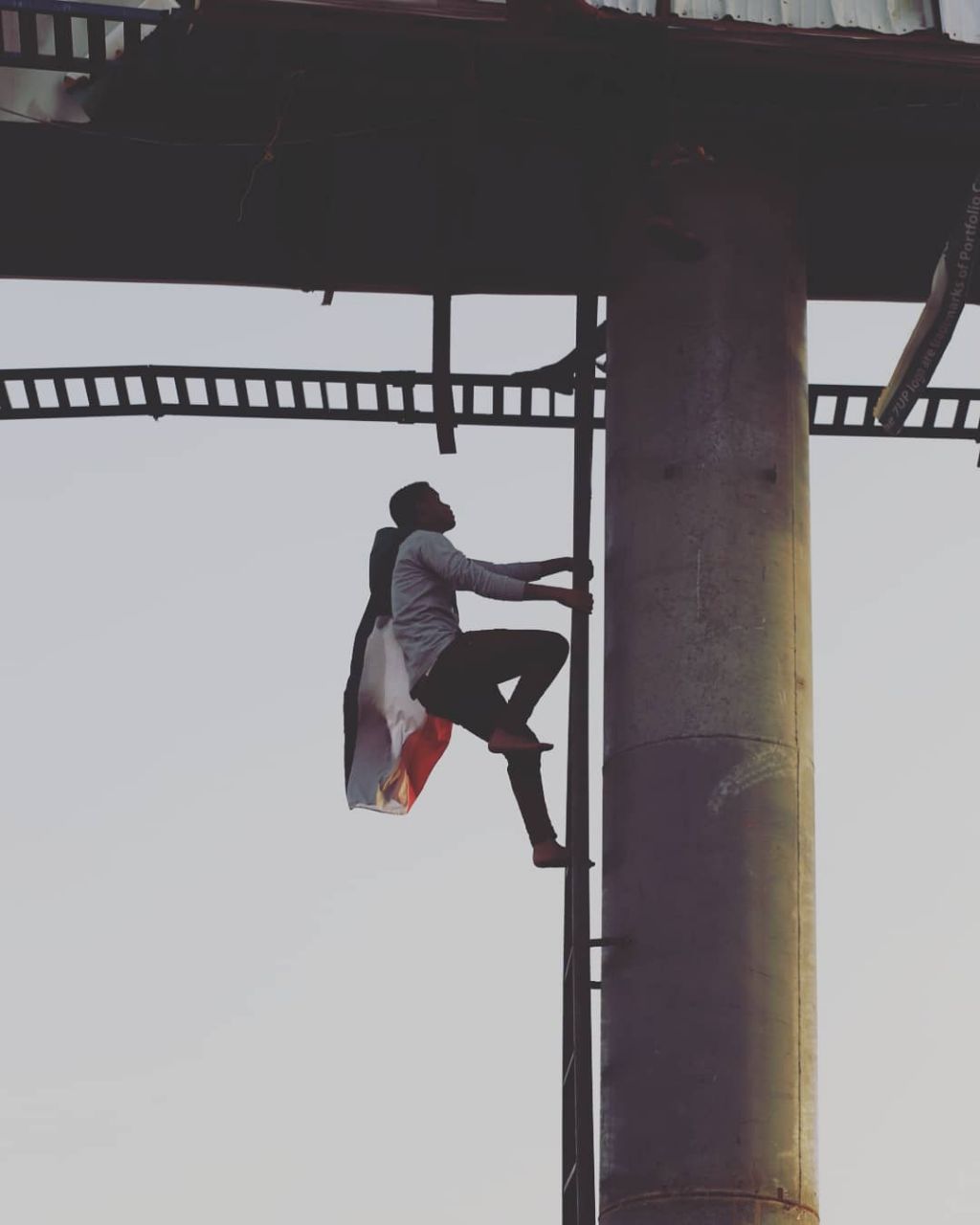
A protestor carrying a Sudanese flag climbs a billboard at the sit-in. Photo by Arwa Ahmed.
Arwa described the elation and sense of purpose she felt joining the sit-in at the military headquarters in Khartoum.
After we finished our jobs, we used to go to the sit-in after work. I remember one Sunday, we went in working hours, all our colleagues from the office. We talked to HR and said we really had to be there. We went to the sit-in, even our direct manager was with us. We thought we were making history so we were really passionate about going there. Our voices were heard for the first time in my life. That’s what it felt like at that time.
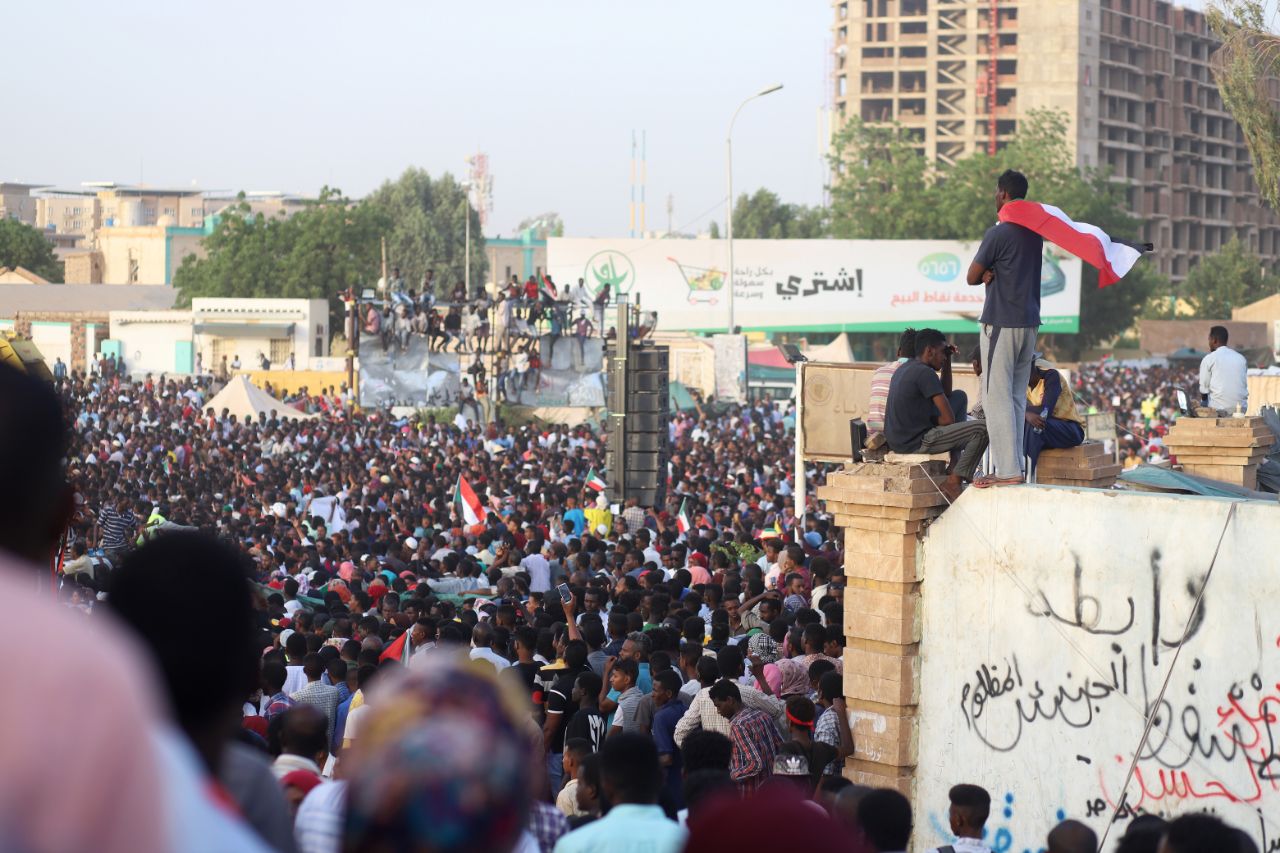
Omar al-Bashir was toppled on 11 April 2019, less than a week after protestors established the sit-in at the military headquarters. The sit-in continued until the Khartoum Massacre on 3 June 2019. Photo by Arwa Ahmed.
Artists, musicians, and photographers played a central role in the revolution, painting murals, leading chants, and photographing demonstrations and sit-ins. Arwa explained how the increased presence of protestors with cameras on the street changed the way photography, which had long been suppressed by the regime’s security services, was understood by the general public.
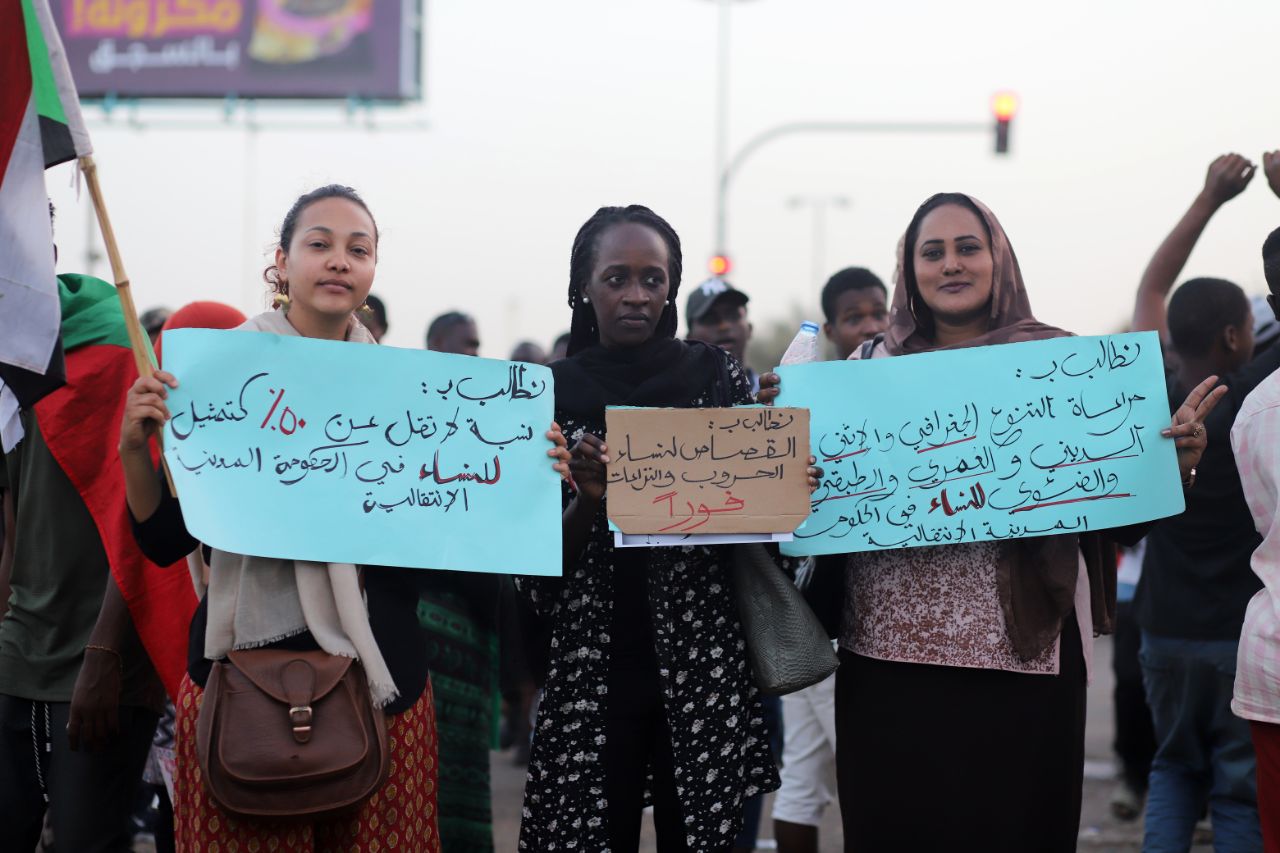
Protesters hold signs demanding at least 50% female representation in the transitional government, social and regional diversity, and justice for women affected by war and conflict. Photo by Arwa Ahmed.
The Sudanese are really reserved. They are sceptical…the general field of photography was not there. “Are you a journalist? Will my picture be in the newspapers?” They were not comfortable to be in front of the camera. But when the revolution happened, then this perspective shifted. People were like, “Photographs, yes. Please photograph me.” They were holding signs. The perspective shifted to, photography can really make ideas, change the point of view and reach other places. So it was really different after the revolution, the general perspective about photography.
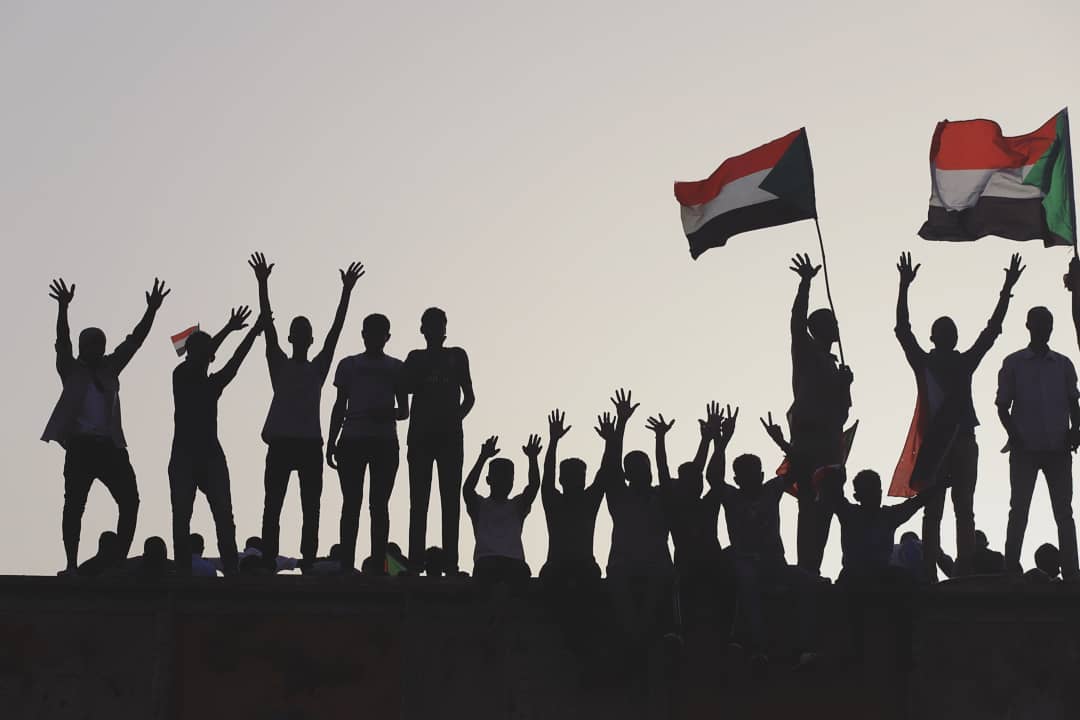
A group of protestors wave to Arwa, united in hope for a new Sudan. Photo by Arwa Ahmed.
For Arwa, the revolution politicised her photography practice as activists sought to challenge pro-regime narratives in the media.
[When] the revolution came, I found photography mattered most because the mainstream media, for us, [was] not saying the things that we [we’]re seeing on [the] ground. So it was important to reflect what was really happening and we used social media for that. People always believe photos, you can write hundreds of articles but one photo can reflect what’s really happening.
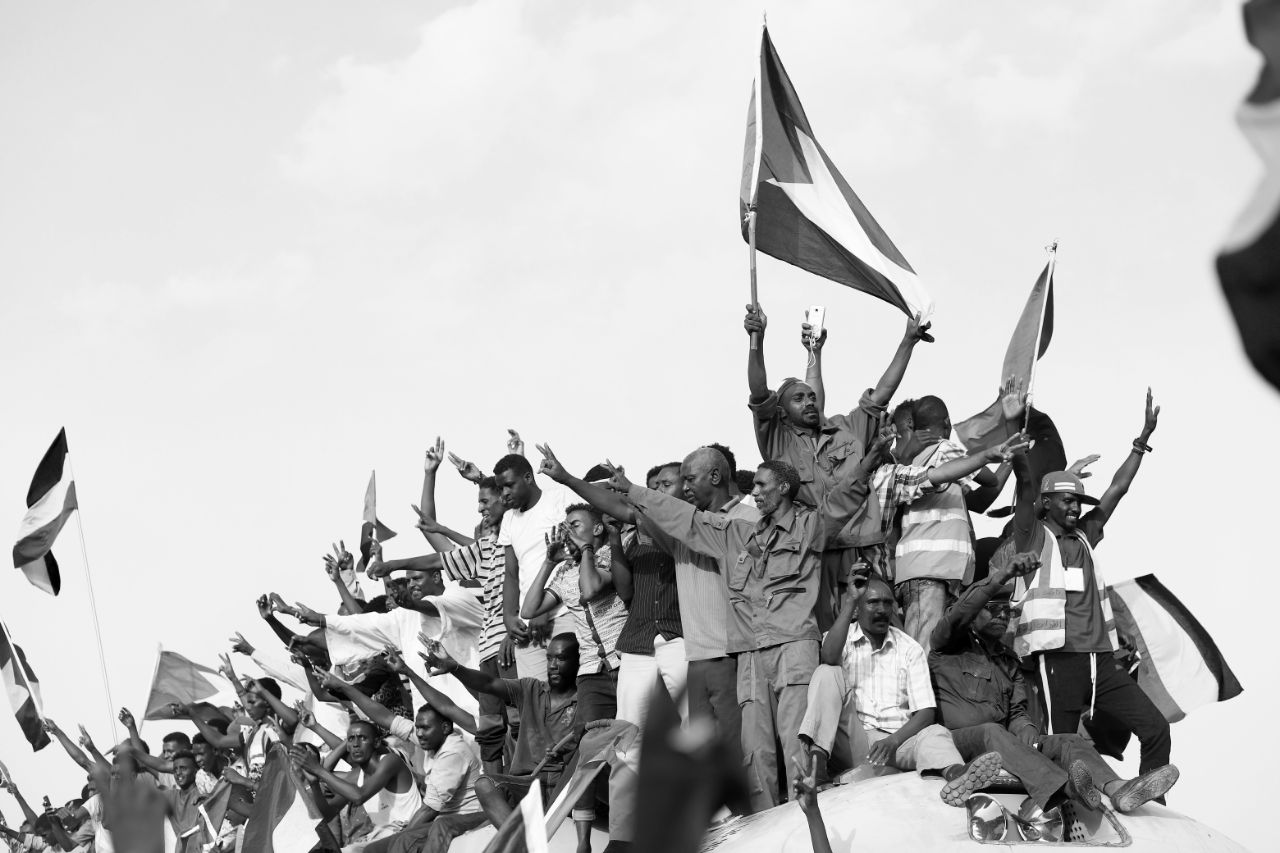
Protestors aboard the ‘Freedom Train’ arrive in Khartoum on August 17 having travelled over 300km from Atbara to celebrate the transition to civilian rule. Photo by Arwa Ahmed.
***
Once we were both safely out of the country, Arwa caught up over video call. We reflected on the occurrence outside the hotel and the unsettling knowledge that in early April the final preparations for war were being made behind the scenes.
While we had intended this collection of photos to record the urban history of the Syrian community in Khartoum, these images capture snapshots of the city in the weeks before it was devastated by gunfire, bombing, looting, and mass displacement. After over 150 years in Sudan, the Syrian community’s presence in Khartoum is now non-existent as the majority of the remaining 50 families, like so many across the country, fled to Egypt at the end of April 2023. None have returned. As they focus on rebuilding their lives in Egypt or migrating elsewhere, these photographs stand as testimony to the last traces of the Syrian community’s rich history in Khartoum, the country’s unfinished revolution, and its uncertain future.
This research was supported by the University of Cambridge’s Language Sciences Impact Fund.