Somali Man Speaks Out on Mogadishu Streets About El Niño Threats.

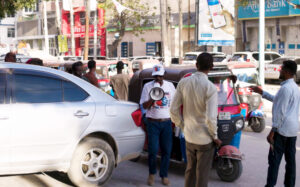
Osman Yusuf Oskar‚ wearing a T-shirt with the letters “SUPER EL NINO‚” walks the streets of Mogadishu carrying a megaphone and signs to alert other Somalis of the risks of heavy rains during the upcoming rainy season․
His voice can be heard above the sounds of traffic and crowds, urging others to heed warnings that El Niño-related floods will threaten millions of people in Somalia, primarily children, according to Save the Children warns of El Niño floods in Somalia).
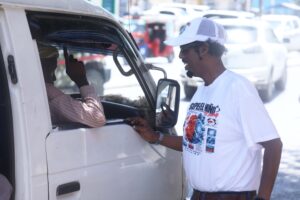
Osman Yusuf Oskar warning a citizen in Mogadishu
Oskar is not a government employee or a meteorologist․ His campaign effort is a solo project to educate others about El Niño‚ a weather phenomenon with which most Somalis are unfamiliar․
“I am not an official or officer at the disaster management center․ I am stepping into their role of volunteering to spread the word to my people‚ who don’t know much about the Super El Niño‚” Oskar said․
Street by street‚ Oskar shares his warning in public settings․ Some people respond to his efforts; others ignore him and go about their business․ Oskar’s signs and megaphone are tools to help laypeople understand technical weather information․
His campaign follows Somalia’s recovery from one of the worst droughts in recent decades․
“While other governments of nearby countries were preparing for this disaster‚ we seem to have had no warning and no preparation for this‚” Oskar said․
“The time for warning has gone‚ and other countries bordering that nation now are preparing․” He said․
“Here in Somalia‚ our politicians and other government officials are more focused on their own activities and are not communicating to the general public about climate-related issues‚ including the Super El Niño weather event‚” he said․
The Food and Agriculture Organization (FAO) has warned that strengthening El Niño conditions and forecasts of exceptionally heavy Deyr rains could raise the risk of severe flooding across Somalia, with up to a 90 percent probability of above-normal rainfall in parts of central and southern Somalia FAO warning that El Niño raises the risk of severe Deyr flooding in Somalia
For the past four years‚ drought has caused massive hardship in much of the country‚ including loss of livestock and crops and migration of rural residents to urban areas and internally displaced persons’ settlements․
In addition to years of drought‚ people in these areas are now at risk of flooding and other impacts from heavy rains related to El Niño conditions․
The October-December Deyr rains are forecast to be above average in Somalia‚ increasing flood risks near major rivers and other locations across the country․
In vulnerable communities affected by drought‚ flooding may lead to additional population displacement and destruction of homes and crops‚ as well as greater health risks and service disruptions․
From drought to other climate-related risks.
The threat of flooding follows several years of drought that have disrupted the ability of many Somali families to earn a living․
Farmers and herders have lost livestock and crops due to lack of water and grazing land․ Many households have relocated to find food‚ water‚ health services‚ and other humanitarian aid․
Extended drought has reduced communities’ resilience to other shocks․
That vulnerability was evident during my recent reporting trip to Kismayo‚ which included a fact-finding trip to Jubaland with a UNICEF delegation and the Swedish ambassador to Somalia․
The delegation visited internally displaced persons’ settlements and a stabilization center treating severely malnourished children․
Children treated at the center suffered from long-term health problems caused by food insecurity and lack of other health services․
This scenario describes a larger humanitarian crisis in Somalia, compounded by drought and aid funding cuts, which are placing additional pressure on vulnerable households already struggling with lost income and other hardships.
Sandra Lattouf‚ UNICEF Somalia Representative‚ told African Arguments that a long dry spell and decreased aid had left many families in Somalia without their crops and other means of support․
“Now kids have begun to die because of malnutrition and diseases‚ and we need and urge donors to save lives․”
Sandra Lattouf said some children had died of malnutrition and other complications from diseases․
The warning is issued amid budget challenges for other humanitarian groups․
The latest IPC analysis projects worsening acute malnutrition across Somalia estimating that 1.92 million children aged 6–59 months and 157,000 pregnant and breastfeeding women would be affected between July 2026 and June 2027, with El Nino related rains expected to increase disease risks and disrupt access to health, nutrition, water and sanitation services.
Aid cuts deepen vulnerability.
Jubaland officials said the humanitarian crisis was severe‚ with partners providing aid reducing and others suspending operations․
Officials said some drought-affected communities had not received help for long periods․
For communities that have relied on humanitarian aid during periods of drought in recent years‚ the decline in aid is particularly concerning as hundreds of health and nutrition facilities have closed in Somalia, deepening the crisis facing children.
Humanitarian groups have offered food and other health and nutrition services․ Other aid and government officials say local communities need to build resilience for the long term․
This includes livelihood recovery and enhancement‚ water access improvements‚ health and nutrition support‚ and climate information and outreach to communities․
The threat of heavy rainfall makes these preparations more important․
Preparing before the rains.
For Somalia‚ the risks to the country aren’t just drought and floods․
Years of drought reduce local adaptive capacity to respond to heavy rains․ Floods can damage or destroy young crops and other infrastructure and displace people who have been previously displaced․ Hunger and malnutrition crises persist in Somalia as projected floods and funding shortfalls threaten vulnerable populations (23 September 2026)
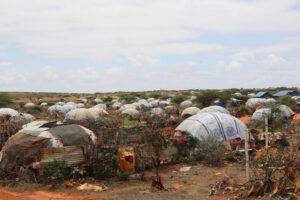
The problem is especially severe in rural areas near rivers that provide irrigation for the Jubba and Shabelle Rivers but are prone to flooding․
Climate projections are probabilities‚ not certainties․ Rainfall in different parts of Somalia is unlikely to have the same effects․
But humanitarian and emergency management organizations argue that preparedness activities can help lessen the effects of climate-related disasters․
That includes early warning systems, improving flood risk assessments, coordinating emergency responses and ensuring that warnings lead to timely action to protect vulnerable communities, according to the Somali Disaster Management Agency’s (SoDMA) national El Niño 2026 preparedness simulation in Mogadishu .
Oskar’s campaign is one unconventional effort on behalf of this group․
Dressed in a T-shirt reading “SUPER EL NINO‚” carrying signs and using a megaphone to address people‚ he is trying to spread the climate message to the general public․
His campaign raises broader issues for Somalia‚ including effectively communicating climate threats to the public‚ which has experienced multiple droughts and other adversities․
Beyond emergency aid.
With shrinking donations for humanitarian assistance‚ Somalia is under growing pressure to shift away from emergency aid programs and support programs to build resilience in the country․
For communities that have lost farm animals and other agricultural assets‚ resilience interventions include supporting the recovery or development of agriculture and other sources of income and water․
For displaced households‚ benefits include income and services to help reduce their reliance on humanitarian aid as explored in the Heritage Institute’s analysis of Somalia’s economic self-reliance following aid cuts
For governments‚ benefits include better disaster preparedness and risk communication efforts․
And for regular people‚ it means getting clear and timely information about the risks they are exposed to․
The stakes are high․
Recent events in Somalia highlight the speed at which drought and flood emergencies have occurred․ Somalia has experienced long-term drought and significant flooding in some parts of the country․
For people already facing famine and job losses‚ additional climate-related disasters could make their situation even worse, as highlighted UNICEF USA’s report on how climate shocks and aid cuts are worsening hunger in Somalia.
That is why Oskar says people should be warned before the rains start․
As he travels through Mogadishu‚ the message is passed from street to street via megaphone․
His signs provide a consumer alert: “SUPER EL NINO․”
For a country that has experienced prolonged drought‚ the upcoming rainy season may bring both benefits and challenges to local populations that have been longing for rain․
The issue is whether Somalia’s government and other partners‚ including local communities‚ can take steps in advance to prevent or lessen the effects of another climate-related disaster before the next rainy season․


