African Arguments
-
To make climate issues resonate in Africa, we have to make them local
Instead of always focusing on global calls to action, climate change should be linked to specific national concerns. As COP26 approaches, there is growing ... -
Should Zambia’s new president fire all his predecessor’s appointees?
Many are clamouring for President Hichilema to remove senior officials appointed by Lungu. These demands are understandable but misguided. The last few days have ... -
Guinea: We must turn this dangerous coup into a chance for renewal
A coup was never the solution to the nation’s problems. But with the right pressure, the Guinean people can turn this moment into an ... -
Open letter: The Green Revolution in Africa has unequivocally failed
200 organisations call on donors to stop supporting industrial agriculture and instead listen to farmers’ visions for an equitable food system. Dear donor representative, ... -
Think African Podcast ep 10: A leadership revolution
African Arguments is delighted to partner with the Think African podcast series, created by Sound Africa in cooperation with Heinrich Böll Stiftung Cape Town. Think African examines the ... -
9/11’s legacy: How anti-terrorism laws have become anti-human rights laws
Across Africa and much of the world, laws passed in the wake of the US attacks have been misused to silence dissent. As the ... -
Africa and COP26: What way forward?
Climate talks must pay more attention to African voices, not just of governments but of the people. On 9 September, Kenya’s government declared a ... -
The Importance of Mental Health in Public Safety
Mental health plays a significant role in ensuring public safety. When we think about safety in our communities, we often focus on physical aspects, ... -
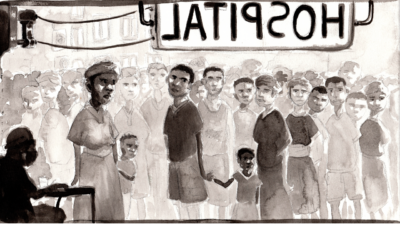
Nigeria: The infamous 1996 Pfizer trial driving anti-vax feelings today
For those affected by the devastating drug trial, vaccine hesitancy is not only driven by conspiracy theories or mistrust but lived experience. A version ... -
How election observers facilitated Zambia’s smooth change of power
Thousands of monitors, a PVT and behind-the-scenes diplomacy played a key role, yet questions about the future of observation remain. Zambian voters went to ...