DRC: Peace in Eastern Congo Must Include the Banyamulenge
Many people may have never heard of Minembwe, and those who know it may have learned about it through stories of war, displacement and hunger. For me, however, it is much more than a story. Minembwe is home to me and to many other Banyamulenge families. Generations of my family, including me, were born and raised there, built their lives there, and members of my family still live there today.
Minembwe lies in the High Plateaux of South Kivu, in the eastern Democratic Republic of Congo. It is a predominantly rural area where Banyamulenge and neighboring communities, including Babembe, Bafuliru, Banyindu and others, have lived for generations. Yet despite their deep roots in the region, the Banyamulenge have faced persistent discrimination and hostility, often centered on their identity and their belonging in Congo.
As the 81st United Nations General Assembly continues, I hope world leaders will look beyond the diplomatic halls and remember places like Minembwe. Discussions about peace, human rights, dignity and international cooperation must reach communities living through war. These leaders have an opportunity to use their diplomatic influence to help protect the fragile peace the Banyamulenge community desperately needs. In Minembwe, those principles are not abstract. They can mean the difference between a child staying in school and being forced to flee again, or between a mother safely reaching the market and having to hide from another round of fighting.
For Banyamulenge, war and insecurity are not new. Eastern Congo has experienced repeated cycles of conflict for decades, and families in the High Plateaux have endured recurring periods of violence and displacement. Around the beginning of 2017, however, the violence took a systematic destructive turn. Villages were attacked, civilians were killed, houses were burned to the ground, families were forced to flee their homes, and cattle were looted.
In Banyamulenge culture, cattle are not just property. They are deeply connected to family life and traditions, including their role as dowry in traditional marriage. For generations, cattle have been a source of income, they helped pay school fees and served as an essential source of livelihood.
These experiences have left many Banyamulenge questioning whether their own government sees them as equal Congolese citizens entitled to the same state protection as any other citizen. FARDC, the national army, has the duty to protect them. Yet Banyamulenge have been killed, their villages attacked and their cattle looted, while FARDC have been operating alongside Wazalendo militias, and foreign forces, particularly Burundian troops known for killing Banyamulenge civilians and attacking their villages. This has deeply damaged trust in the state. For Banyamulenge, minority rights are not an abstract legal principle; they are about whether their lives and homes are protected and whether their right to belong in Congo is respected.
In recent months, FARDC and its allies were pushed out of Minembwe and several surrounding areas, creating a period of relative calm. Families who had fled began returning to their villages, markets reopened, and people regained access to different parts of Minembwe. Families were once again able to visit relatives without the constant fear of fighting. After years of violence and displacement, everyday life was slowly beginning to return.
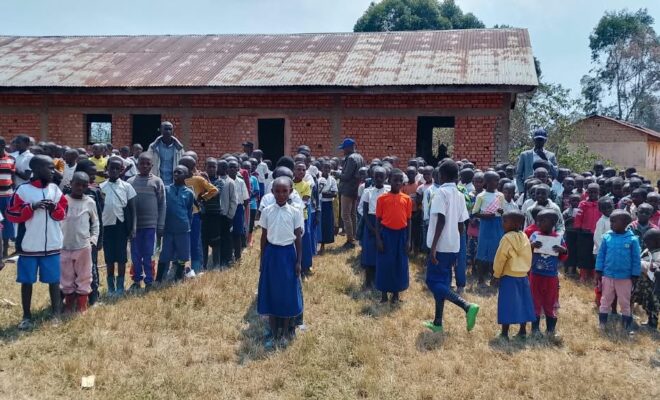
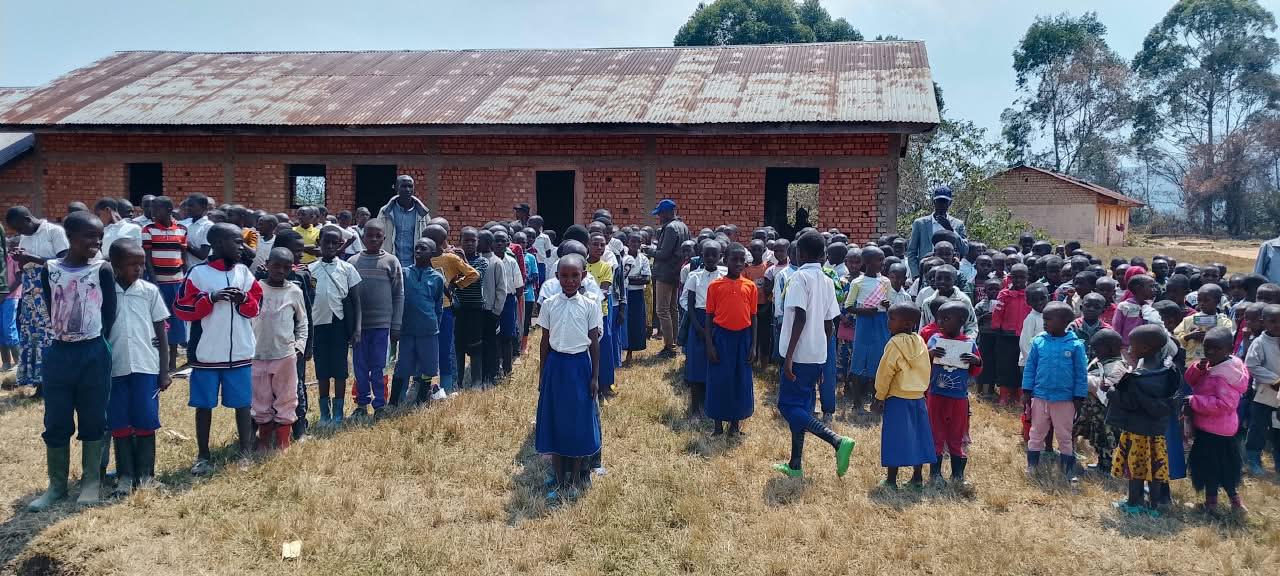
The change was evident in their daily life. On September 1, 2026, when the new academic year began, I saw pictures from Minembwe of students in their white and blue uniforms returning to school. They looked excited to be back.To me, those pictures captured what the relative calm meant. Parents were sending their children to school knowing that they would return home safely, and families were returning to routines that years of conflict had repeatedly interrupted.
Although the calm remained fragile, it offered a glimpse of what life could be when villages are no longer surrounded by violence.Now, that fragile calm is under threat.
In recent weeks, FARDC and its allies have launched a new military offensive toward Minembwe. The renewed fighting has included reports of heavy artillery and drone strikes, and civilians living in and around Minembwe are once again facing the fear and danger of war. For civilians, these are not simply movements on a military map. They mean renewed displacement, interrupted education, and communities that had only begun returning to ordinary life once again facing the violence, disruption and trauma of war.
As a Munyamulenge with family members in Minembwe, I find this return to military escalation deeply painful. After years of displacement, destroyed villages and lost livelihoods, Banyamulenge communities should not once again become battlefields that force civilians from their homes and put their lives at risk. War cannot continue to be the default answer.
Instead, the relative calm should have been preserved through humanitarian access and diplomatic efforts aimed at building a lasting peace. Mechanisms to support such efforts already exist. The Washington and Doha peace processes are intended to move eastern Congo away from repeated military confrontation and toward dialogue . On August 24, 2026, the ceasefire verification mechanism established through the Doha process conducted its first field verification mission in Minembwe.
Less than a month following that verification mission, serious fighting resumed around these communities, undermining the peace process intended to prevent renewed military escalation. That should concern everyone invested in peace in eastern Congo. Diplomatic agreements cannot mean one thing at negotiating tables and another in the lives of civilians. The United States, Qatar, the African Union and other partners should utilise the mechanisms already in place to work toward ending the renewed fighting in Minembwe, securing sustained humanitarian access and creating space for meaningful dialogue.
Kinshasa must also recognize that protecting Banyamulenge is not a political favor or concession. Their security, dignity, and right to live in the country they belong to are responsibilities of the Congolese government itself.
For leaders gathered at the United Nations, I urge leaders at the United Nations to take three practical steps:
- Use your diplomatic influence to stop the renewed fighting around Minembwe and protect civilians.
- Support the immediate return of the ceasefire verification mechanism to establish what is happening on the ground and address reported violations.
- Ensure sustained humanitarian access and use the Washington and Doha processes to bring the parties back to meaningful dialogue.
As leaders at the United Nations reaffirm their commitments to peace, human dignity and sustainable development, they should remember that progress is measured in people’s everyday lives. In Minembwe, it should be measured by whether a child can remain in school, humanitarian workers can reach a family in need, neighbors can visit one another, cattle can return to their grazing lands, and a mother can go to the market and return home safely.