African Arguments
-
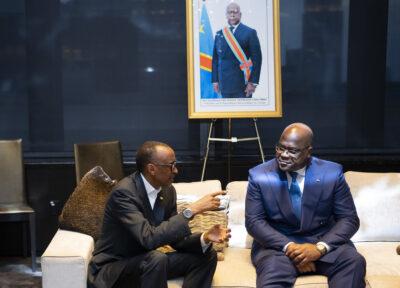
DRC: Rumours abound after series of deaths in the president’s entourage
From plane crashes to COVID complications, over twenty of President Tshisekedi’s allies died in the course of just one year. In the course of ... -
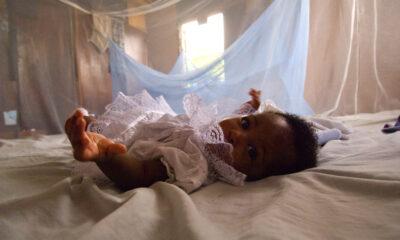
How can countries continue to combat malaria during a pandemic?
With medical disruptions due to COVID-19 likely to kill more people in Africa than the disease itself, two countries provide interesting lessons. With COVID-19 ... -
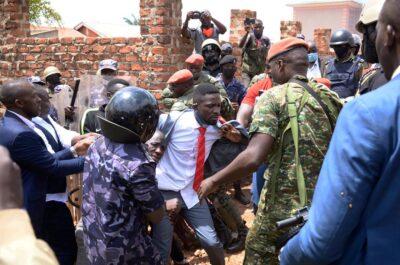
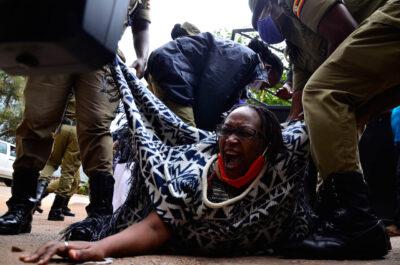
Uganda: If we do not take risks, we risk everything
I was arrested and beaten last week for daring to contest the presidential election. This is not a fair fight, but I have no ... -
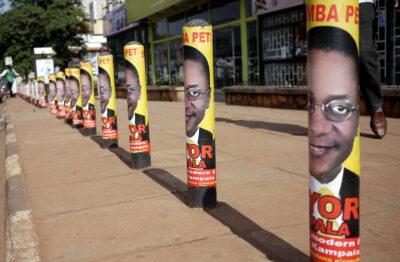
How much does it cost to be a politician in Uganda? We found out
A new report looks into the expenditure of political candidates and MPs. Here are six key findings. As Uganda’s general elections, scheduled for 14 ... -
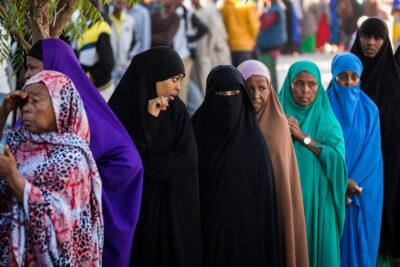
Why did Somaliland just suspend cooperation with the UN?
The government may be calling the UN’s bluff, but while it engages in this high stakes contest, many ordinary people are fed up. On ... -
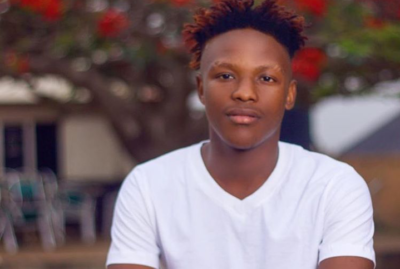
#EndSARS: Not just a name or statistic. The tragedy of Rinji Bala
The widespread protests in Nigeria were motivated by real and often deeply personal experiences of police brutality. Here is one. Before Rinji Uzziel Bala’s ... -
After the Kumba massacre: Schools in Cameroon’s Anglophone crisis
Until recently, activists in the diaspora and separatists had insisted that schools remain closed and used violence to ensure it. On 24 October, armed ... -
#EndSARS fake news: Is Instagram equipped to police the internet?
Their fact-checking algorithms are not doing a good enough job of identifying what’s fake and what isn’t. The protests in Nigeria have been raging ... -
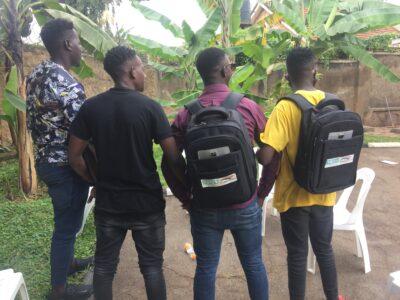
“Someone willing to help people like me”: Uganda’s LGBTQ paralegals
Queer Ugandans who face discrimination often find it impossible to get legal support. But some are training as paralegals so they can help each ...