East
-
When protecting local traders turns foreigners into targets
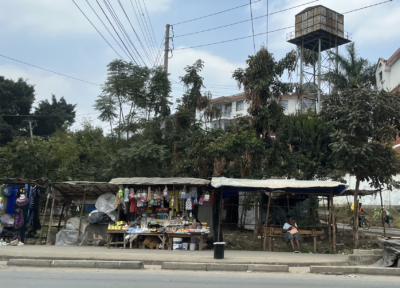
On Dennis Pritt Road in Nairobi’s Kilimani district, long queues formed outside the Burundian embassy on 7 September. People were waiting for laissez-passers, temporary ... -
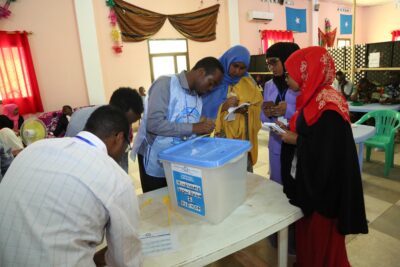
After the Ballot: What Democracy Must Mean for Somalia
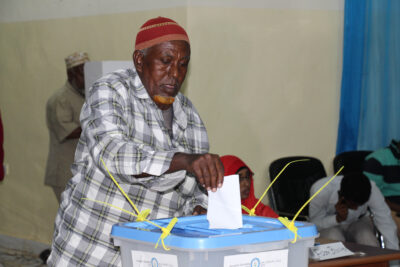
Somali political life is intensely debated across towns, households, media platforms and diaspora communities. Yet this energy does not consistently produce the power to ... -
Who Speaks for Sudan’s Emergency Response Rooms?
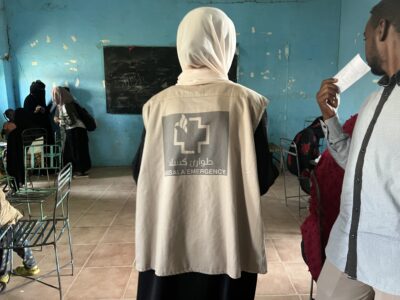
When four members of Sudan’s Emergency Response Rooms travelled to London in March 2026 to accept the Chatham House Prize on behalf of the ... -
Beyond Projects: Rethinking Agricultural Investment for Sudan’s Post-War Recovery
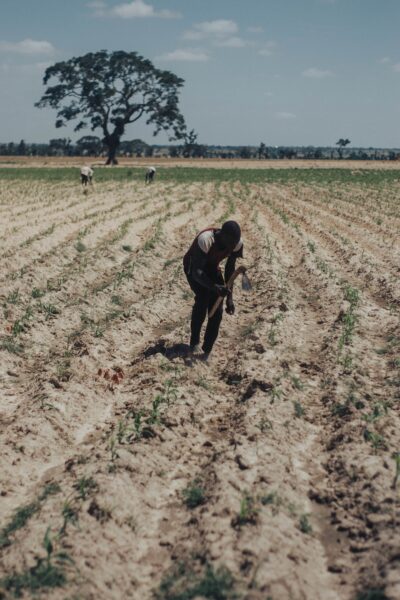
This essay concludes a three-part series by the author on agriculture in Sudan. Read the previous instalments here and here. A different approach is ... -
When AI Explains African Crises, Local Knowledge Is Barely Visible
Ask any AI tool about the humanitarian situation in Africa, and you will get all sorts of answers in seconds. Then check closely where ... -
Somalia Pushes Ahead with Controversial Regional Elections Despite Opponent Boycott.
Somalia’s transition to one-person,one-vote elections is increasingly becoming a struggle not only over democratic reform,but also over who controls political power. The Federal government ... -
How Las Anod Changed Somaliland’s Case for Recognition
Somaliland has spent three decades asking the world to trust a specific story about itself: a peaceful, democratic state exercising real authority over the ... -
Sudan: The Unfortunate Alliance
On Foreign Interest, the Ideal Militia, and What a Coloniser Prays He Leaves Behind My grandmother never said displacement. She said: we left the ... -
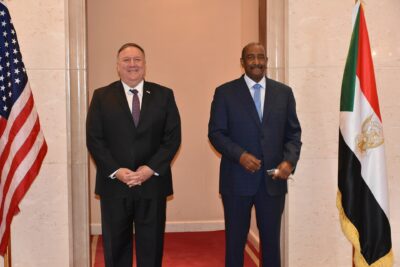
Sudan: Burhan’s Dialogue Is Not a Path to Stability
General Abdel Fattah al-Burhan has discovered dialogue again. After years of promises, a military coup, emergency rule, war rhetoric and political exclusion, Sudan’s army ... -
Ethiopia Counts Coffee at the Wrong End
On July 7, Prime Minister Abiy Ahmed told Parliament that Ethiopia had earned a record $3.1 billion from coffee exports. Six days later, the ...